
Planning a trip to Jibhi Valley? Check Jibhi places to visit, waterfalls, stays, distance from Delhi, weather, travel tips, and how to reach Jibhi. There are mountain places that feel busy the second you arrive.
Then there’s Jibhi.
You hear the river before you properly see the village. Wooden bridges creak under your shoes. Pine trees lean over narrow roads. Smoke rises slowly from homestay kitchens around evening.
And after 1 or 2 days here, your brain starts moving slower too.
That’s probably why people keep extending their stay in Jibhi Valley.
Table of Contents
Where is Jibhi located?
Jibhi is a small village in Himachal Pradesh.
More specifically, it sits in the Banjar Valley region of Kullu district.
The village is surrounded by:
- Pine forests
- Water streams
- Wooden Himachali homes
- Mountain trails
- Small cafes and riverside stays
A lot of travelers combine Jibhi with:
- Shoja
- Jalori Pass
- Tirthan Valley
- Serolsar Lake
Because all these places are close to each other.
All About Shoja Village: Click Here
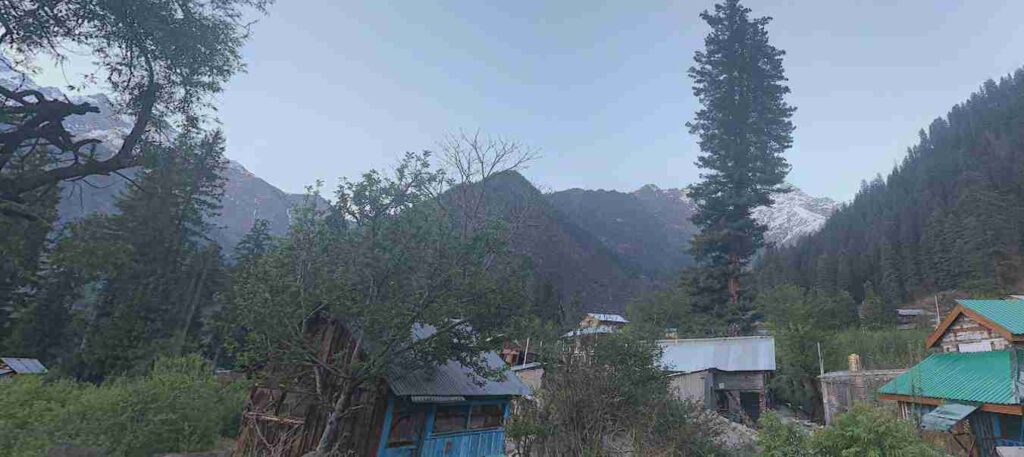
Jibhi Himachal Pradesh: distance from major cities
Here’s the distance breakdown people usually search before planning the trip:
| Route | Distance |
|---|---|
| Jibhi from Delhi | Around 500 km |
| Chandigarh to Jibhi | Around 270 km |
| Aut to Jibhi | Around 32 km |
| Jibhi to Shoja | Around 5 km |
| Jibhi to Manali | Around 100 km |
| Jibhi to Jalori Pass | Around 12 km |
The last mountain stretch after Banjar becomes narrow.
Beautiful road.
But if you get motion sickness, carry medicine before the hills start throwing curves at your stomach.
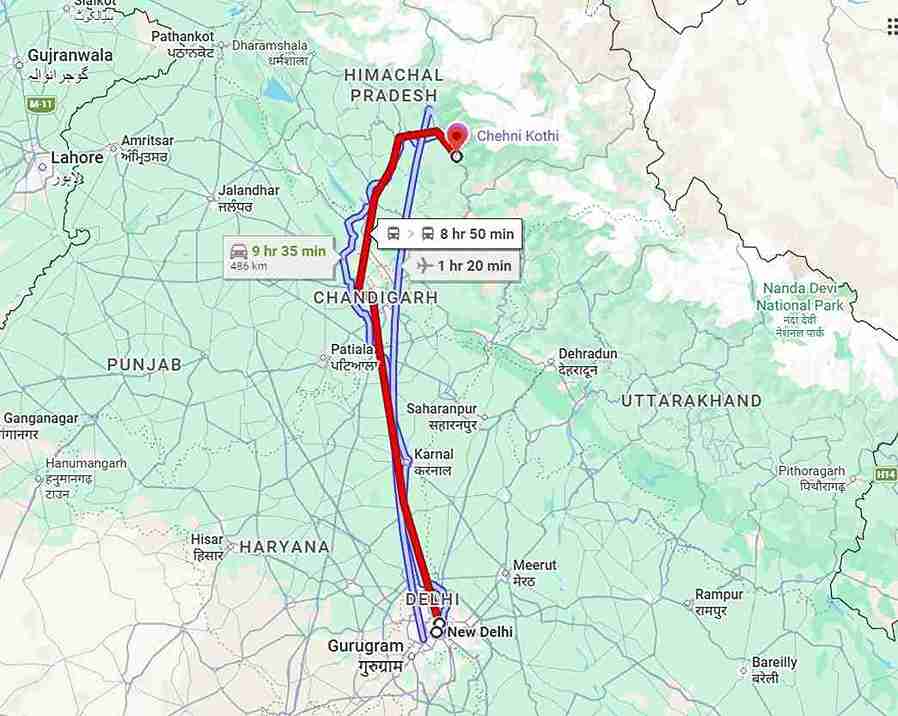
How to reach Jibhi
People usually reach Jibhi by road.
There’s no airport or railway station directly in the village.
By bus
This is the most common option.
Take an overnight Volvo or HRTC bus from Delhi or Chandigarh to Aut.
From Aut:
- Local buses go toward Banjar and Jibhi
- Shared taxis are available
- Private cabs are easy to find
Aut to Jibhi takes around 1.5 to 2 hours.
| Bus Operator/Bus Type | Departure Time | Arrival Time | Starting Price |
|---|---|---|---|
| IntrCity SmartBus/Volvo AC Semi Sleeper | 22:30 | 07:55 | ₹809 |
| IntrCity SmartBus/Volvo AC Sleeper | 21:45 | 07:10 | ₹719 |
| zingbus Plus/Volvo 9600 AC Sleeper | 20:30 | 08:40 | ₹1,330 |
| Ram Dalal Holidays/Volvo Multi Axle Semi Sleeper | 20:30 | 06:05 | ₹550 |
| Kashi Bus/Scania AC Semi Sleeper | 22:30 | 06:45 | ₹569 |
| zingbus Plus/Volvo AC Sleeper | 22:00 | 09:40 | ₹1,604 |
| zingbus Plus/Volvo AC Sleeper | 23:15 | 11:00 | ₹1,306 |
| ReoBus Pro/Volvo Multi Axle Semi Sleeper | 22:25 | 07:40 | ₹597 |
| Laxmi Holidays/Volvo Multi Axle Semi Sleeper | 22:00 | 08:10 | ₹699 |
| Deltin Travels/Volvo Semi Sleeper | 23:55 | 09:25 | ₹629 |
| zingbus Plus/Volvo AC Sleeper | 21:00 | 08:50 | ₹1,355 |
| Laxmi Holidays/Bharat Benz AC Semi Sleeper | 20:20 | 06:05 | ₹662 |
| FlixBus/Bharat Benz AC Sleeper | 23:30 | 11:45 | ₹1,228 |
| ReoBus Pro/Volvo Semi Sleeper | 21:25 | 07:01 | ₹547 |
| Northway Holiday Express/Volvo AC Semi Sleeper | 19:40 | 05:45 | ₹749 |
| Satluj Tour and Travels/Volvo AC Semi Sleeper | 19:50 | 05:55 | ₹297 |
| FlixBus/Volvo AC Semi Sleeper | 21:20 | 09:20 | ₹1,228 |
| Laxmi Holidays/Volvo AC Sleeper | 21:00 | 06:05 | ₹547 |
| PAL Travel Lines/AC Sleeper | 21:30 | 07:12 | ₹699 |
| Laxmi Holidays/Volvo AC Sleeper | 18:30 | 04:35 | ₹766 |
| FlixBus/Volvo AC Sleeper | 18:45 | 07:30 | ₹1,228 |
| zingbus Plus/Volvo AC Sleeper | 20:45 | 08:40 | ₹1,330 |
| FlixBus/Bharat Benz AC Sleeper | 20:20 | 08:40 | ₹1,228 |
By car
The Delhi to Jibhi drive takes around 11 to 13 hours.
Route:
Delhi → Chandigarh → Bilaspur → Mandi → Aut → Banjar → Jibhi
The roads after Aut get narrower, but the views improve aggressively.
You’ll cross rivers, tiny villages, old wooden temples, roadside chai stalls, and forests that smell like wet pine after rain.
By train
Nearest major railway station:
- Chandigarh
After that, road travel is necessary.
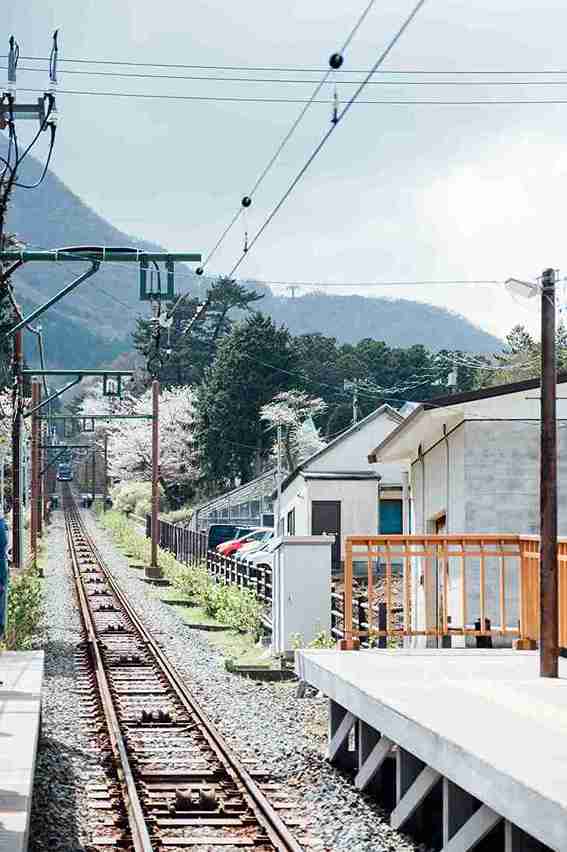
Jibhi valley temperature throughout the year
Weather changes quickly in Jibhi.
You can get sunshine at noon and cold fog by evening on the same day.
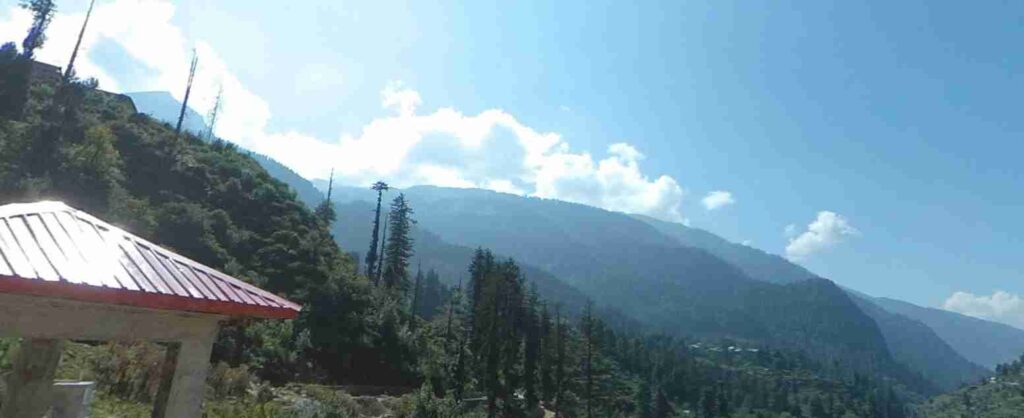
Summer (March to June)
Temperature usually stays between 15°C and 25°C.
Best season for:
- Trekking
- Cafe hopping
- Waterfall visits
- Riverside stays
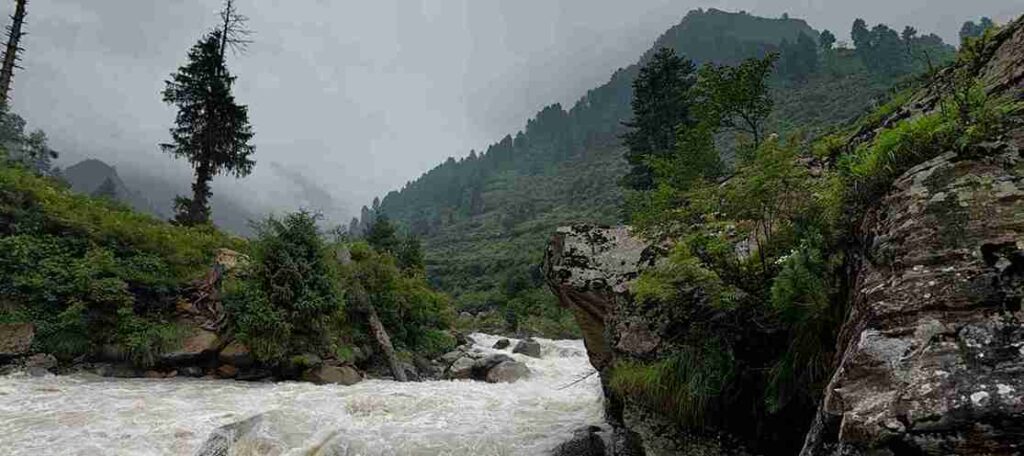
Monsoon (July to September)
Everything turns bright green.
The forests look unreal during rain.
But landslides and slippery roads can happen.
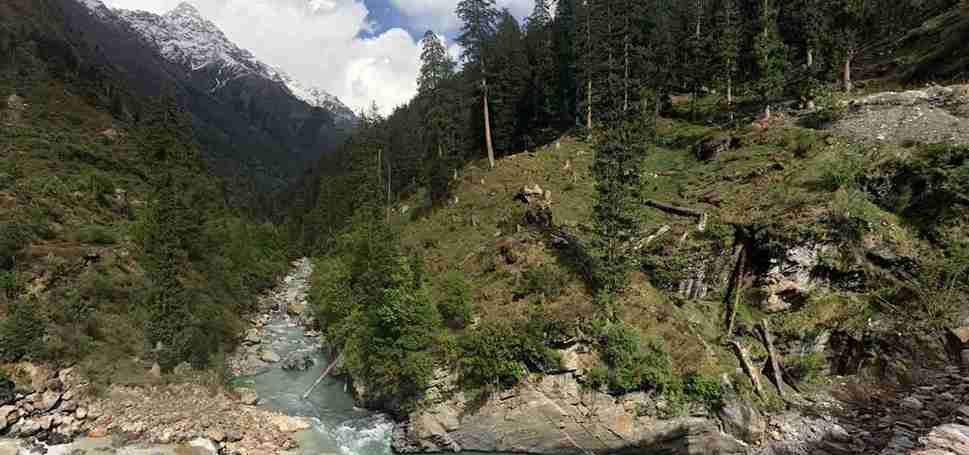
Winter (December to February)
Jibhi gets cold.
Temperature sometimes drops close to 0°C during peak winter nights.
Nearby places like Jalori Pass receive snowfall.
If you want snow without huge Manali crowds, winter is a good time.
Carry proper jackets, though.
Mountain cold at 2 AM feels personal.
Which month is best for Jibhi?
- October is probably the sweet spot.
- The weather stays cool. Roads are mostly clear. The skies look cleaner after monsoon season.
- March to June is also great if you prefer pleasant weather.
- December works best for travelers chasing snowfall and cabin vibes.
What is Jibhi famous for?
Mostly for peace.
That sounds vague until you spend a few days there.
Jibhi is famous for:
- Riverside wooden cottages
- Pine forests
- Waterfalls
- Jalori Pass road trips
- Slow mountain life
- Hidden trails
- Quiet cafes
People also love Jibhi because it still feels less commercial compared to bigger Himachal tourist places.
At least for now.
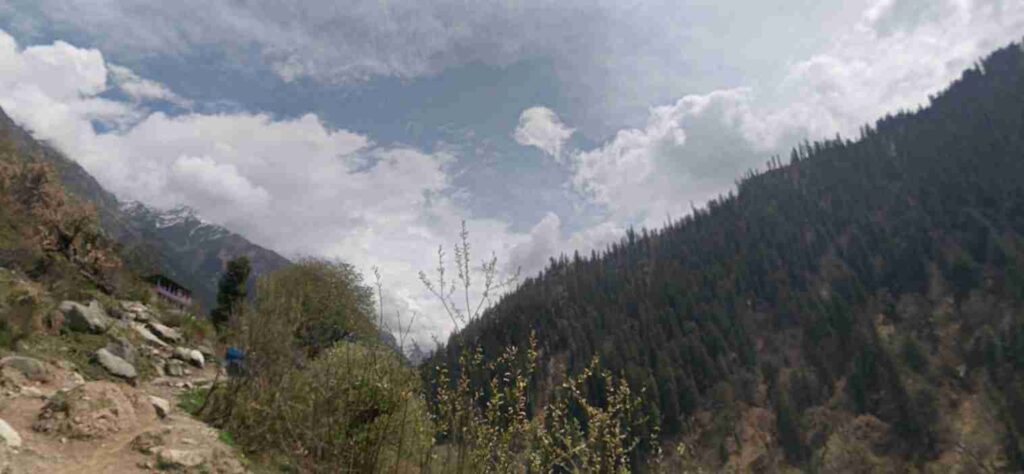
Jibhi valley places to visit:
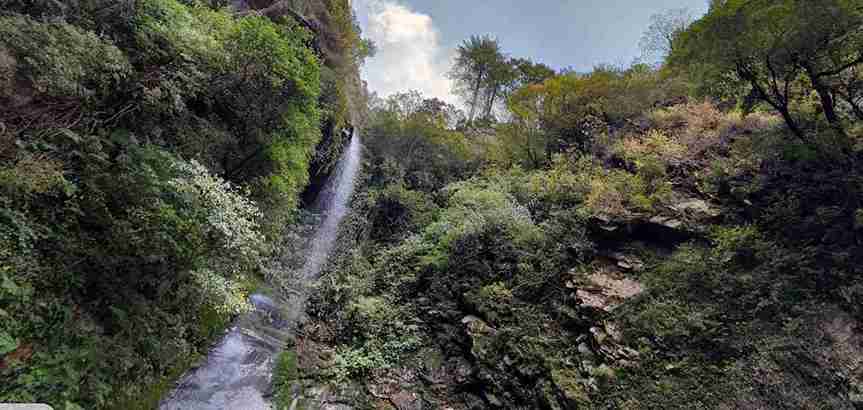
1. Jibhi waterfall
- Jibhi Waterfall sits inside a small forest area near the main village.
- You walk through a short wooden pathway before reaching the waterfall.
- Nothing massive.
- But the entire setting feels peaceful.
- Especially early morning before crowds arrive.
- The sound of water mixed with forest silence kinda resets your brain for a while.
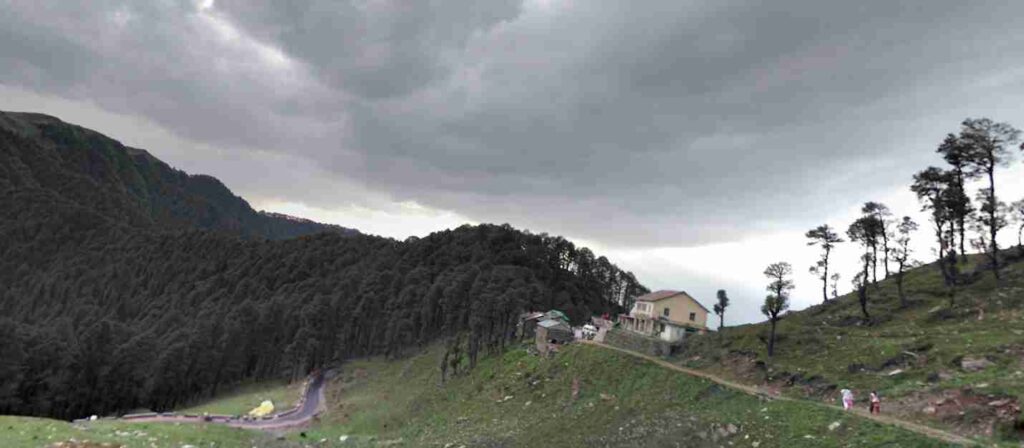
2. Jalori Pass
- Around 12 km from Jibhi.
- This mountain pass connects different valleys and gives wide Himalayan views.
- Winter snowfall here gets heavy.
- Road conditions can change fast during snow season.
- Tea stalls near the pass somehow make Maggi taste 3 times better.
- Maybe altitude changes food science.
3. Serolsar Lake
- One of the best short treks near Jibhi.
- The trek starts from Jalori Pass.
- Distance is around 5 km one side.
- Most beginners can complete it comfortably.
- The trail passes through dense oak forest.
- And sometimes random mountain dogs decide to guide trekkers like local employees.
4. Chehni Kothi
- This old tower structure is one of the hidden gems near Jibhi.
- The architecture feels straight out of another century.
- Stone and wood construction. Narrow village paths. Quiet surroundings.
- You’ll barely hear traffic there.
5. Shringa Rishi Temple
- This temple is important for local culture in the Banjar Valley region.
- The wooden Himachali architecture alone makes it worth visiting.
- Go respectfully.
- Locals take temple traditions seriously.
6. Mini Thailand in Jibhi valley
- Yes, the name sounds random.
- It’s basically a riverside rock formation spot that people started comparing to Thailand because of the shape and water flow.
- Social media definitely helped the name stick.
- Still a nice short stop.
Why some travelers end up disappointed with Jibhi Valley
Jibhi gets hyped heavily on Instagram now.
- Tiny wooden cabins.
- River sounds.
- Fog moving through pine trees.
- Slow mornings with coffee mugs balanced near balconies.
Looks perfect online.
But the experience depends a lot on what kind of traveler you are.
Some people arrive expecting Manali-style activity and then quietly run out of things to do after 2 days.
Jibhi moves slowly.
Really slowly.
After sunset, most roads become silent.
- Shops close early.
- Nightlife barely exists.
- Even cafes calm down fast compared to Kasol or Old Manali.
And if you’re the kind of traveler who needs constant activity,
- shopping,
- ATV rides,
- crowded cafes,
- Or loud music, the village can start feeling repetitive.
The internet situation also surprises people.
- Some homestays advertise “perfect workation WiFi,” then rain hits and Zoom calls start sounding like ghost radio transmissions from 1998.
Winter creates another gap between expectation and reality.
- People see snowfall reels online and assume the whole valley turns into Switzerland. Then they arrive underprepared with fashion jackets and frozen hands.
- Mountain cold here feels sharper because many stays rely on room heaters instead of central heating.
Jibhi works best for travelers who genuinely enjoy:
- Quiet places
- Forest walks
- Reading
- Slow cafes
- Doing less without feeling guilty about it
That’s the rhythm of the village.
And honestly, that’s why people either deeply love Jibhi or leave wondering what the hype was about.
The hidden cost of riverside stays in Jibhi valley
Everybody wants a riverside cottage in Jibhi.
Until 2 AM arrives.
The river sounds peaceful during the day. At night, some riverside rooms sound like somebody left a cargo train running outside your window.
Light sleepers notice this immediately.
Then there’s the cold.
Rooms close to water usually feel colder and damper, especially during winter and monsoon season. Cheaper homestays sometimes struggle with moisture buildup inside blankets and wooden walls.

- Looks cozy in photos.
- Feels different when socks refuse to dry for 2 days.
- Parking becomes another hidden problem.
- Some beautiful riverside properties sit below steep narrow paths where carrying luggage suddenly turns into an unpaid trekking session.
And during monsoon, riverside areas attract:
- More insects
- More moisture
- Slippery walkways
- Occasional power fluctuations
Still, riverside stays remain the best part of Jibhi for many travelers.
You just need the right expectations before booking.
Riverside stays: expectation vs reality
| Expectation | Reality |
|---|---|
| Complete silence | River noise stays loud at night |
| Cozy weather | Rooms can become extra cold |
| Easy accessibility | Some stays require steep walking |
| Perfect workation setup | Internet varies heavily |
| Cheap hidden cabins | Prices rise sharply during weekends |
Myth vs reality about Jibhi Valley
Social media has created a slightly edited version of Jibhi.
- Pretty videos rarely show traffic jams near Banjar during long weekends.
- Or 4 people sharing one cafe charging point.
- Or travelers discovering that mountain WiFi has emotional mood swings.
Myth vs reality
| Myth | Reality |
|---|---|
| Jibhi is completely hidden | Weekend tourism has grown fast |
| Snowfall covers the whole valley | Heavy snow mostly affects higher nearby areas |
| Every stay has strong WiFi | Weather affects connectivity constantly |
| Jibhi is very cheap | Long weekends increase prices aggressively |
| One day is enough | Jibhi feels better when traveled slowly |
| Every month looks magical online | Monsoon landslides can affect travel plans |
| Workations are easy everywhere | Power backup matters a lot |
A lot of people also underestimate travel fatigue.
The village looks close on Google Maps.
Mountain roads disagree.
Even experienced drivers feel exhausted after the final stretch from Aut to Jibhi because the curves keep stacking endlessly.
Beautiful drive though.
Your stomach may not fully agree.
How Jibhi changes during weekdays vs long weekends
This changes the entire experience more than people realize.
Visit Jibhi on a random Tuesday and the village feels calm.
You’ll hear rivers, birds, distant temple sounds, maybe somebody chopping wood near a homestay kitchen.
Now arrive during a Delhi long weekend.
Different atmosphere completely.
Suddenly:
- Cafes fill up
- Parking disappears
- Waterfall trails become crowded
- Riverside cafes start playing louder music
- Stay prices jump quickly
Even Jalori Pass traffic changes dramatically during peak weekends.
Local taxi drivers usually know this pattern before tourists do. Some avoid certain routes entirely during crowded holiday mornings.
Weekdays vs long weekends in Jibhi
| Experience | Weekdays | Long Weekends |
|---|---|---|
| Cafe crowd | Relaxed | Busy |
| Stay prices | Lower | Higher |
| Parking | Easier | Difficult |
| Waterfall visits | Peaceful | Crowded |
| Riverside atmosphere | Quiet | Noisier |
| Travel pace | Slow | Tourist-heavy |
If possible, visit from Monday to Thursday.
Jibhi feels far more natural during those days.
Advanced guide for workation travelers in Jibhi
A lot of people now come to Jibhi carrying:
- Laptops
- Extension boards
- Noise-cancelling headphones
- 3 pending deadlines
- And unrealistic expectations about mountain internet
Some stays genuinely support workations well.
Others barely manage stable electricity during rain.
Aesthetic rooms don’t automatically mean productive work setups.
The best workation travelers usually check:
- Backup power availability
- Airtel vs Jio signal strength
- Distance from the river
- Heating setup during winter
- Desk space inside rooms
River-facing rooms look amazing.
But constant water sound can ruin meetings and recorded calls.
People discover this halfway through presentations.
Experienced remote workers in this region sometimes split their stay:
- Jibhi for cafes and accessibility
- Shoja for quieter evenings and forest stays
That combination works surprisingly well.
Practical workation checklist for Jibhi
| Thing to check | Why it matters |
|---|---|
| Power backup | Rain can interrupt electricity |
| Airtel/Jio signal | Connectivity changes by location |
| Room heating | Nights get cold fast |
| Cafe distance | Useful for backup workspace |
| Road accessibility | Important during rain and snow |
| Noise level near river | Affects calls and sleep |
And honestly, mountain workations sound more productive online than they feel in reality sometimes.
Some mornings you’ll work beautifully.
Other days you’ll stare at fog for 40 minutes and completely forget the spreadsheet you opened.
Jibhi valley stays
Accommodation is one reason people love Jibhi.
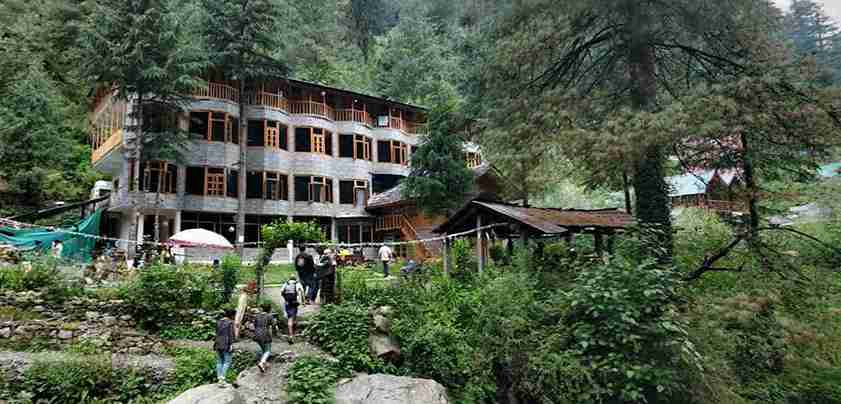
Most stays sit beside rivers or forests.
You’ll find:
- Riverside cottages
- Wooden cabins
- Homestays
- Hostels
- Glass cafes with mountain views
- Budget guest houses
Prices vary depending on season.
Average stay cost
| Stay Type | Price Range |
| Backpacker hostels | ₹500 to ₹1200 |
| Budget homestays | ₹1200 to ₹2500 |
| Riverside cottages | ₹3000 to ₹7000 |
| Luxury stays | ₹8000+ |
Book early during long weekends.
Delhi crowds arrive fast once Instagram discovers another hidden place.
Which is better, Jibhi valley or Manali?
Depends on the trip you want.
Manali has:
- More activities
- Bigger markets
- More nightlife
- Easier transport
- Heavy tourist crowds
Jibhi feels quieter.
Better for slow travel, forest walks, riverside stays, and peaceful evenings.
If you enjoy loud cafes and packed tourist markets, choose Manali.
If you want mountain silence and smaller villages, Jibhi feels better.
Food in Jibhi
Food options are surprisingly decent for a small mountain village.
You’ll find:
- Trout fish
- Siddu
- Pancakes
- Pizza cafes
- Momos
- Maggi
- Rajma rice
- Local Himachali meals
Cafe culture has grown quickly in recent years.
Some places now have proper workation setups with WiFi and mountain-view desks.
Though internet speed still behaves emotionally during bad weather.
Things to know before visiting Jibhi valley
| Travel Tip | Details |
|---|---|
| Carry cash | ATMs are limited in Jibhi and nearby villages. |
| Airtel and Jio work best | Network quality changes depending on your stay location. |
| Roads are narrow | Drive slowly after Banjar, especially during night travel. |
| Winter roads can close | Jalori Pass may temporarily close during heavy snowfall. |
| Start treks early | Mountain weather changes quickly after afternoon. |
Sample 3-day Jibhi itinerary
| Day | Plan |
|---|---|
| Day 1 | Reach Jibhi, explore cafes, visit Jibhi Waterfall, relax near the river |
| Day 2 | Drive to Jalori Pass, trek to Serolsar Lake, enjoy sunset viewpoints |
| Day 3 | Visit Chehni Kothi, explore Shoja, begin return journey |
Why travelers keep returning to Jibhi valley
Because the place still feels human.
You wake up hearing rivers instead of traffic. Local aunties dry corn outside wooden homes. Dogs sleep in the middle of tiny roads like they own the valley.
And after spending time there, loud cities start feeling weirdly artificial.
That feeling stays with people.
FAQs about Jibhi Valley
Where is Jibhi located, and in which state?
Jibhi is located in Himachal Pradesh.
What is Jibhi famous for?
Jibhi is famous for riverside stays, waterfalls, pine forests, and peaceful mountain views.
Which month is best for Jibhi?
October, April, and May are great months for visiting Jibhi.
Which is better, Jibhi or Manali?
Jibhi is better for peaceful travel and quiet stays. Manali is better for shopping, nightlife, and tourist activities.
How to reach Jibhi from Delhi?
Take a bus or drive to Aut, then continue toward Banjar and Jibhi by local transport.
Does Jibhi get snowfall?
Nearby areas like Jalori Pass receive good snowfall during winter.
Is Jibhi good for couples?
Yes. Riverside cottages and peaceful mountain views make it popular among couples.
Final thoughts
- Jibhi Valley still feels slower than most tourist places in Himachal Pradesh.
- That’s the best thing about it.
- Go before giant resorts, traffic jams, and loud music completely take over the valley.
7 thoughts on “Jibhi Valley: 13 Peaceful Places You’ll Love”