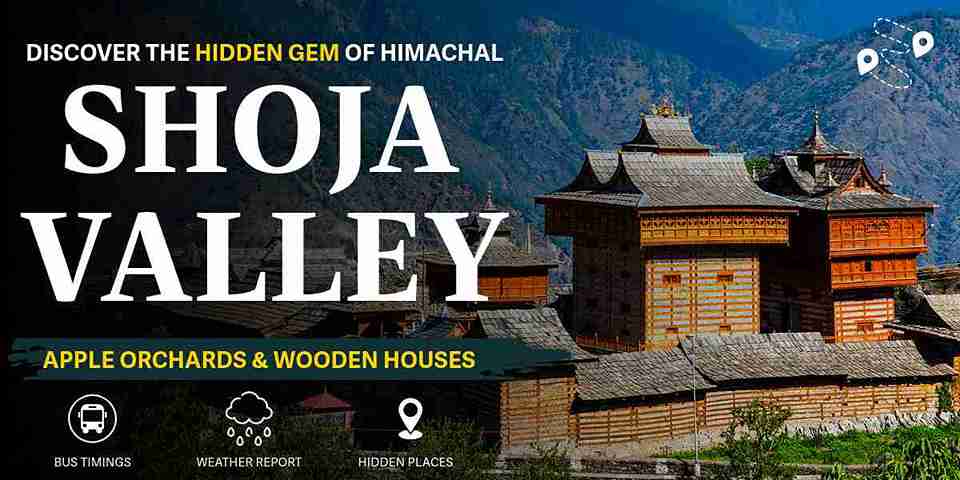
Planning a trip to Shoja Village, Himachal Pradesh? Check Shoja village tourist places, distance, Delhi route, Jibhi distance, best stays, travel cost, and local tips before you go. There’s a point on the road between Jibhi and Jalori Pass where the traffic disappears.
The honking stops. The roadside cafes become smaller. Pine trees start covering the road like a tunnel.
That’s when you know you’re close to Shoja Village.
Shoja is one of those Himachal places people usually discover by accident. Someone goes to Jibhi, gets bored with crowded cafes, drives 5 km ahead, and suddenly finds a tiny mountain village sitting quietly above the valley.
And honestly, that’s the best way to find it.
Table of Contents
Where is Shoja village?
Shoja Village is a small mountain village in the Seraj Valley of Himachal Pradesh.
It sits at around 8,500 feet above sea level in the Banjar region of Kullu district.
Most travelers visit Shoja while exploring:
- Jibhi
- Jalori Pass
- Serolsar Lake
- Tirthan Valley
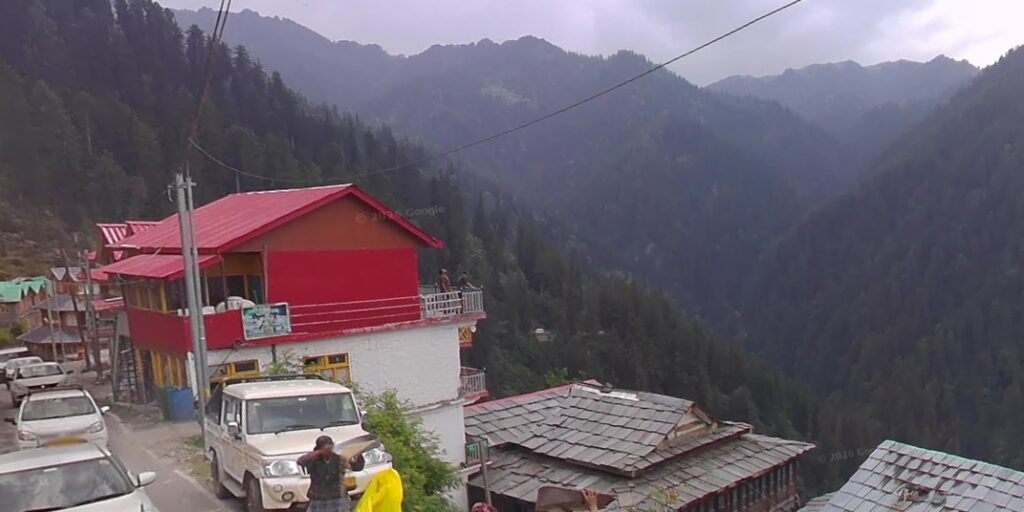
Shoja itself is tiny. You can probably walk across the whole village in 20 minutes.
But the views here feel much bigger than the village.
Clouds drift through cedar forests almost every evening. During winter, rooftops disappear under snow. And mornings are weirdly silent except for birds and distant temple bells.
Shoja Village’s distance from major places
How far is Shoja from major cities and landmarks?
Shoja sits deep in Kullu district, near Jalori Pass. Getting there takes planning. Here’s what the drive actually looks like from the places people ask about most.
| From | Distance | Travel time | Route notes |
|---|---|---|---|
| Delhi | ~490–500 km | 12–14 hours | Delhi → Chandigarh → Mandi → Aut → Banjar → Shoja. Take an overnight bus to Aut, then grab a taxi in the morning. |
| Chandigarh | ~230–265 km | 7.5–9 hours | Good roads until Aut. After that, narrow and winding. |
| Manali | ~70 km via Kullu–Aut–Banjar | 2–3 hours | Some maps show up to 107 km depending on the path. Check current road conditions, especially in winter. |
| Aut | ~35–40 km | 2–2.5 hours | Gateway town on NH-3. First bus to Shoja leaves around 7 AM. |
| Jibhi | ~10–16 km | 30–45 minutes | Most people combine both in one trip. |
| Tirthan Valley | ~19 km | 45–60 minutes | |
| Jalori Pass | ~5 km | 20–30 min drive, then a short trek to the top | |
| Bhuntar Airport | ~52–60 km | 2 hours | See below for airport details. |
| Nearest railway station | Chandigarh (~230–270 km) or Joginder Nagar (~125–165 km, narrow gauge) | Chandigarh: 7–8 hrs onward. Joginder Nagar: closer on paper, runs infrequently. | Most travelers just use Chandigarh. |
Useful links
Indian Railways train enquiry: check live train status and schedules to Chandigarh or Joginder Nagar before you book..
HRTC online bus booking: book the Delhi/Chandigarh-to-Aut leg directly with the state operator instead of a third-party reseller.
Kullu-Manali (Bhuntar) Airport: official AAI page, current flight info, and terminal details.
They probably do.
GOOGLE MAP DIRECT LINK: CLICK HERE
Also Read: All About Jibhi Valley CLICK HERE
How to reach Shoja village from Delhi
Most travelers take this route:
Delhi → Chandigarh → Bilaspur → Mandi → Aut → Banjar → Jibhi → Shoja
By car
Driving from Delhi takes around 11 to 13 hours depending on traffic.
Night driving after Aut can get tiring because the roads become narrower.
Still, the drive after Banjar is beautiful. Pine forests, wooden houses, waterfalls, and tiny tea stalls. Feels like the mountains slowly start swallowing the highway.
By bus
Take an overnight Volvo from Delhi to Aut.
| Bus Type | Departure From Delhi | Arrival at Aut | Starting Fare |
|---|---|---|---|
| Ordinary NON-AC Seater (3+2) | 14:00 | 04:15 | ₹725 |
| Ordinary NON-AC Seater (3+2) | 19:32 | 06:30 | ₹725 |
| Ordinary NON-AC Seater (3+2) | 21:14 | 07:10 | ₹725 |
| Himsuta Volvo AC Seater (2+2) | 21:50 | 08:26 | ₹1470 |
| Ordinary NON-AC Seater (3+2) | Evening Service | Morning Arrival | ₹725 |
| Himsuta Volvo AC Seater (2+2) | Night Service | Morning Arrival | ₹1470 |
From Aut, you’ll find:
- Local buses
- Shared taxis
- Private cabs to Jibhi and Shoja
This is the cheapest route if you’re backpacking.
By train
There’s no direct train to Shoja.
The nearest major railway station is Chandigarh.
After that, you continue by road.
OFFICIAL TRAIN BOOKING WEBSITE: – CLICK HERE
Shoja: where to stay
Where to stay in Shoja
Shoja doesn’t do big hotels. That’s part of the point. But it means you need to book ahead, not show up and hope.
Homestays. The real experience. You’ll eat Siddu and Madra with a local family and actually talk to someone who lives there. Runs ₹1,000–2,500 a night, usually with meals included.
Guesthouses. Basic, cheap, does the job. ₹600–1,200 a night.
Forest Rest House. Run by the Forest Department. Book through the Ecotourism Society of Himachal Pradesh’s official portal if it’s live, though online booking for FRHs has been unreliable in the past. If the site’s down, call the DFO Banjar office directly instead of waiting on it.
Boutique cottages. A newer category, mostly wooden standalone stays built for people who want to linger. Good fit if you’re doing a workation instead of a weekend trip.
Book 2–3 weeks out during peak season (April–June, September–November) or weekends. Shoja’s room count is small. It fills up fast.
Best time to visit Shoja’s place
Every season changes Shoja completely.
Travel Guide Link: Click Here
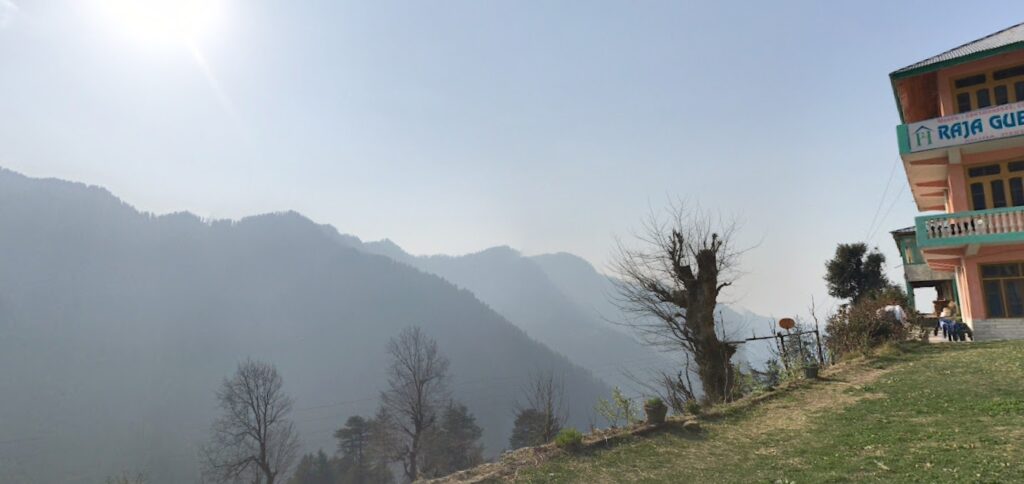
March to June
Probably the safest season for most travelers.
The weather stays cool. Forest trails remain open. Jalori Pass usually becomes accessible again after snow clearance.
Day temperatures hover around 15°C to 25°C.
Good time for:
- Trekking
- Camping
- Photography
- Slow cafe hopping
July to September
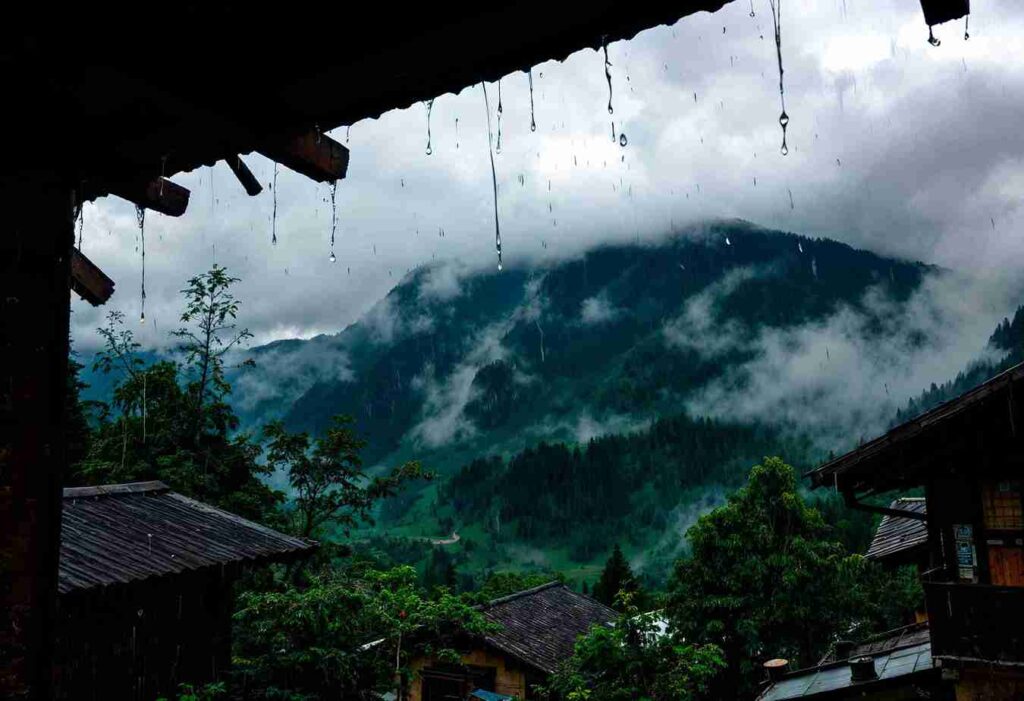
Monsoon turns everything aggressively green.
But landslides can happen around Banjar and Jalori roads.
If you love foggy forests and rain sounds on wooden rooftops, you’ll enjoy it.
If you hate road uncertainty, skip monsoon.
October to November
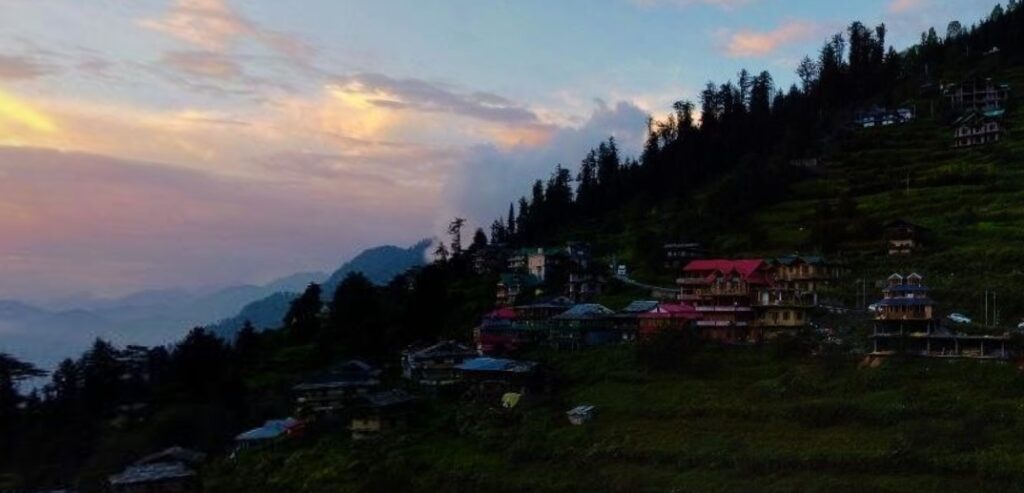
My favorite season here.
The skies become sharper. Crowds thin out. Mornings feel cold but manageable.
And the sunsets near Jalori Pass look unreal.
December to February
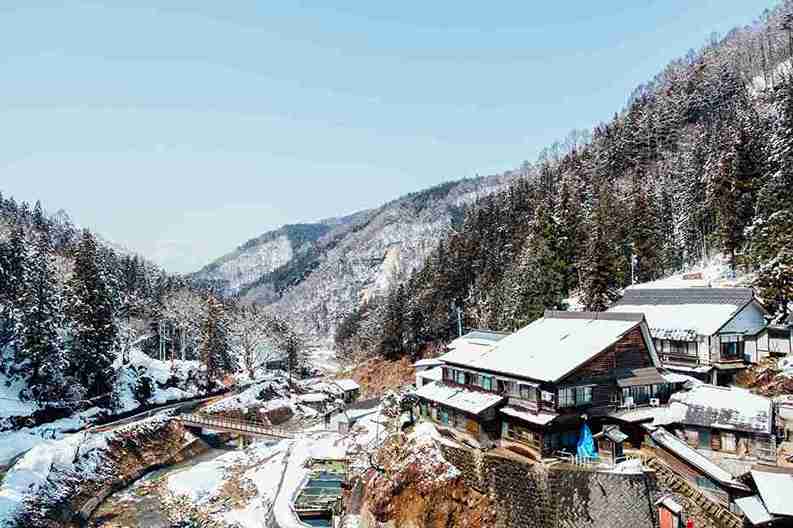
Shoja gets snowfall during winter.
Some roads may temporarily close during heavy snow.
But if you want quiet mountain cabins and snow-covered forests without Manali-level crowds, this season is perfect.
Carry proper winter layers though. Mountain cold at night hits differently.
Shoja village tourist places
Shoja isn’t packed with attractions.
That’s kinda the whole point.
Still, there are a few places nearby that make the trip worth it.
1. Jalori Pass
Jalori Pass is around 5 km from Shoja.
The road climbs through dense forest before opening into wide Himalayan views.
During winter, the entire area gets buried in snow.
You’ll find:
- Small roadside dhabas
- Snow activities in winter
- Trek routes
- Viewpoints overlooking the valley
Go early morning if possible.
The clouds move fast here. One minute you can see mountain ranges. Five minutes later you’re standing inside fog thick enough to hide your own shoes.
2. Serolsar Lake
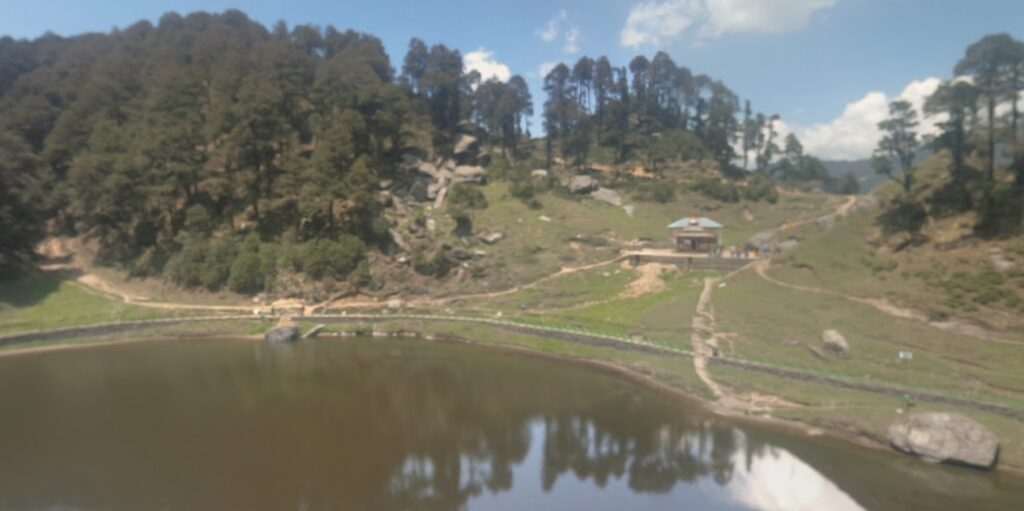
Serolsar Lake is probably the most famous trek near Shoja Village.
- The trek starts from Jalori Pass.
- Distance is roughly 5 km one side.
- The trail is easy for beginners. Mostly forest path with gradual climbs.
- And honestly, the walk itself is better than the destination.
- Tall oak trees. Silent trails. Occasional mountain dogs following trekkers like unpaid tour guides.
- The lake stays calm almost year-round.
- Locals consider it sacred.
3. Raghupur Fort
Most people skip this place.
Big mistake.
The hike to Raghupur Fort gives some of the best valley views in the region.
The actual fort is mostly ruins now.
But the open grassland around it feels cinematic during sunset.
Especially in October.
4. Waterfall point in Shoja
Shoja has a small hidden waterfall near the village.
Nothing commercial.
No ticket counter. No giant crowd taking reels every 8 seconds.
Just a short walk through the forest.
Ask locals for the trail.
5. Great Himalayan National Park side trails
Great Himalayan National Park is not directly inside Shoja, but nearby areas connect to forest trails and eco-zones.
Bird watchers love this region.
You’ll spot:
- Himalayan magpies
- Monals
- Forest pheasants
- Lots of butterflies during summer
Why Shoja feels peaceful for some travelers and “too quiet” for others
Shoja works differently for different kinds of travelers.
Some people arrive there and instantly relax.
Others spend 1 evening there and start wondering where everything is.
Because honestly, Shoja barely has “activity” in the usual tourist sense.
After sunset:
- Roads become empty
- Cafes quiet down early
- Forest sounds get louder than traffic
- Fog slowly covers the valley
And for some travelers, that silence feels amazing.
For others, it starts feeling isolating.
Especially during rainy weather.
People expecting:
- Busy backpacker cafes
- Nightlife
- Shopping streets
- Constant movement
- Tourist markets
usually connect better with Manali or Kasol.
Shoja feels slower than Jibhi too.
Couples, photographers, writers, remote workers, and people trying to mentally disconnect from city noise usually enjoy Shoja the most.
Families react differently.
Some absolutely love the peaceful environment.
Others struggle because entertainment options are limited after 1 or 2 days.
Who usually enjoys Shoja the most?
| Traveler Type | Shoja Experience | Why |
|---|---|---|
| Couples | Excellent | Quiet atmosphere and forest stays |
| Photographers | Excellent | Fog, forests, mountain light |
| Families | Depends | Peaceful but limited activities |
| Backpackers | Moderate | Less social compared to Jibhi |
| Party travelers | Poor | Almost no nightlife |
| Workation travelers | Good | Calm environment for focused work |
The hidden reality of valley-view stays in Shoja
Everybody wants a valley-facing room in Shoja.
Until winter arrives.
Open valley-facing stays become much colder during nighttime because the wind hits directly across exposed slopes.
And during monsoon season, fog behaves aggressively here.
Some mornings the entire valley disappears for hours.
Beautiful experience honestly.
But travelers expecting clear mountain views 24/7 sometimes get disappointed.
Then there’s the “forest stay” marketing problem.
Some listings advertise isolated forest cabins while sitting 15 feet from the main road with motorcycles passing outside the balcony.
Check recent guest photos carefully before booking.
Especially during peak season.
Power cuts also become important during storms and snowfall.
Luxury-looking wooden rooms don’t feel luxurious once room heaters stop working at midnight.
Valley-view stays: expectation vs reality
| Expectation | Reality |
|---|---|
| Clear mountain views always | Fog often blocks visibility |
| Cozy wooden rooms | Winter nights get extremely cold |
| Silent forest stay | Some stays sit near roads |
| Strong WiFi everywhere | Connectivity changes constantly |
| Comfortable snow experience | Heating quality varies heavily |
Still worth it though.
Especially during October and early winter stays.
Myth vs reality about Shoja Village
Instagram has created a very polished version of Shoja.
Actual mountain travel behaves differently.
Myth vs reality
| Myth | Reality |
|---|---|
| Shoja is completely hidden | Tourism is slowly increasing |
| Snowfall happens all winter | Snow depends heavily on weather timing |
| Every stay has amazing views | Some listings exaggerate heavily |
| Shoja stays are always cheap | Prices rise fast during snow season |
| Internet works smoothly everywhere | Network quality changes by location |
| One day is enough | Shoja feels better slowly |
| Winter roads stay open constantly | Jalori roads sometimes close temporarily |
A lot of travelers also underestimate how tiring mountain roads become after dark.
The distance looks manageable online.
But fog near Jalori Pass changes driving conditions quickly.
Even experienced drivers slow down heavily during winter evenings.
Beautiful drive though.
Your shoulders may disagree after continuous hairpin bends.
How Shoja changes during weekdays vs tourist weekends
This changes the entire experience more than people expect.
Visit Shoja on a random Wednesday morning and the village feels almost empty.
You mostly hear:
- Birds
- Wind moving through cedar trees
- Distant temple sounds
- Dogs sleeping beside roads
- Occasional local buses climbing uphill
Now arrive during a Delhi long weekend.
Completely different atmosphere.
Suddenly:
- Parking near viewpoints gets messy
- Jalori Pass becomes crowded
- Homestay prices quietly increase
- Cafes become louder
- More reels get filmed every 8 seconds
Even photography changes.
Weekday mornings feel calmer because fewer tourists move around the forest trails and viewpoints.
Long weekends create more road congestion too, especially between Jibhi and Jalori Pass.
Weekdays vs long weekends in Shoja
| Experience | Weekdays | Long Weekends |
|---|---|---|
| Forest atmosphere | Quiet | Busier |
| Cafe crowd | Relaxed | Packed |
| Stay prices | Lower | Higher |
| Photography conditions | Better | More interruptions |
| Road traffic | Light | Heavy |
| Jalori Pass experience | Peaceful | Crowded |
If possible, visit Monday to Thursday.
Shoja feels far more natural during those days.
Advanced guide for Shoja workations and slow stays
A lot of travelers now come to Shoja carrying:
- Laptops
- Power banks
- Headphones
- Pending deadlines
- And unrealistic expectations about mountain WiFi
Some stays genuinely support workations well.
Others barely manage stable electricity during rain.
The biggest mistake people make is booking purely for aesthetics.
Pretty wooden balconies don’t automatically create productive work setups.
Experienced workation travelers usually check:
- Power backup availability
- Airtel vs Jio signal strength
- Heating setup
- Distance from the main road
- Desk space inside rooms
- Water availability during winter
Forest-side stays feel peaceful during the day.
But nighttime temperature drops harder there compared to slightly more central properties.
River and wind noise also affect concentration differently.
Some people sleep beautifully beside natural sounds.
Others spend the night wondering why the mountain air sounds like somebody whispering through pine trees.
A lot of repeat travelers now split stays smartly:
- Shoja for quiet forest days
- Jibhi for cafes and better connectivity
That combination works surprisingly well.
Practical workation checklist for Shoja
| Thing to check | Why it matters |
|---|---|
| Power backup | Snow and storms affect electricity |
| Airtel/Jio signal | Connectivity varies by location |
| Room heating | Nights become very cold |
| Desk space | Many stays prioritize aesthetics over comfort |
| Distance from road | Impacts noise and accessibility |
| Water availability | Winter pipelines sometimes freeze |
And honestly, some workation days in Shoja become unintentionally unproductive.
You open your laptop.
Fog enters the valley.
Sunlight hits cedar trees for 4 minutes.
Then suddenly 2 hours disappear without touching the spreadsheet you planned to finish.
Shoja village tour package price
Tour packages depend on the season and starting city.
Here’s the rough range most travelers pay.
| Package Type | Average Cost |
|---|---|
| Delhi to Shoja backpacking trip | ₹4,000 to ₹7,000 |
| Couple stay package | ₹8,000 to ₹18,000 |
| Private cab + hotel package | ₹12,000 to ₹25,000 |
| Snow season packages | Usually higher |
A lot of travelers actually skip packages entirely.
Shoja is easy to plan independently.
Book a homestay, take a Volvo to Aut, then grab a local cab.
Done.
Where to stay in Shoja Village
Shoja has:
- Wooden homestays
- Mountain cottages
- Budget hostels
- Small guest houses
Don’t expect luxury resorts everywhere.
This place still feels raw compared to bigger Himachal tourist spots.
And that’s why people love it.
Most rooms come with valley-facing balconies.
Morning tea tastes suspiciously better when clouds are floating below your room.
Food in Shoja
Food options are limited but decent.
You’ll mostly find:
- Maggi
- Siddu
- Rajma rice
- Momos
- Pancakes
- Parathas
- Trout fish in some cafes nearby
Network connectivity can get unstable in some areas.
Which honestly forces people to talk to each other again.
Rare mountain magic.
Things to know before visiting Shoja place
ATMs are limited
- Carry cash.
- Don’t depend entirely on UPI everywhere.
Airtel and Jio work best
- Internet speed changes constantly.
- Sometimes you’ll get full 5G.
- Sometimes your phone becomes a paperweight.
Roads can get blocked in winter
- Always check weather conditions before leaving for Jalori Pass during snowfall season.
Start early during road trips
- Mountain roads after dark become tiring.
- Plus random fog appears without warning.
Is Shoja better than Jibhi?
- Depends on what you want.
- Jibhi has more cafes, more tourists, more hostels, more activity.
- Shoja feels quieter.
- Less commercial.
- More forest.
- If Jibhi feels like a backpacker village, Shoja feels like the mountain behind that village where everybody disappears after sunset.
- A lot of travelers stay in Shoja and explore both places together.
- That’s probably the smartest plan.
Also Read: All About Jibhi Valley. CLICK HERE
Sample 3-day Shoja itinerary
Day 1
- Reach Shoja
- Check into homestay
- Explore nearby forest trails
- Sunset views
Day 2
- Early drive to Jalori Pass
- Trek to Serolsar Lake
- Visit Raghupur Fort if energy survives
- Bonfire at night
Day 3
- Explore Jibhi cafes
- Visit mini waterfall spots
- Return journey
Simple trip.
But weirdly memorable.
Why people keep returning to Shoja Village
Because Shoja still feels slow.
You wake up to mountain silence instead of traffic.
Local aunties dry corn outside wooden homes. Dogs sleep in the middle of roads because nobody’s rushing anywhere. Fog rolls into balconies around evening like somebody turned on a smoke machine for the entire valley.
And after 2 or 3 days there, city noise starts feeling fake.
That’s probably why people keep going back.
FAQs about Shoja Village
Is Shoja Village worth visiting?
Yes, especially if you like peaceful mountain villages, forest trails, and less crowded Himachal destinations.
What is the Shoja to Jibhi distance?
Shoja to Jibhi distance is around 5 km.
Does Shoja get snowfall?
Yes. Heavy snowfall usually happens between December and February.
How far is Shoja village from Delhi?
Shoja village from Delhi is roughly 500 km by road.
Can beginners do the Serolsar Lake trek?
Yes. Most beginners can complete it comfortably.
Are there cafes in Shoja?
Yes, but options are limited compared to Jibhi.
Is Shoja good for couples?
Yes. A lot of couples visit Shoja for quiet stays and mountain views.
Final thoughts
- Shoja Village isn’t trying hard to become the next viral Himachal destination.
- That’s exactly why it still feels special.
- Go before giant cafes, traffic jams, and loud music fully arrive.
- Mountain villages rarely stay quiet forever.
3 thoughts on “Shoja Village Guide: Hidden Places, Stays & Travel Tips 2026”