Most people discover Barot Valley accidentally.
Someone tells them.
A YouTube video appears.
A random Instagram reel shows mountains, rivers, and pine forests.
Then curiosity starts.
Barot Valley sits quietly in Himachal Pradesh where rivers move slowly, forests cover mountain slopes, and mornings feel colder than you expected.
People visit for peace.
Some stay longer.
Some eventually come back.
Table of Contents
- Where is Barot Valley situated?
- Quick Barot Valley overview
- What is the speciality of Barot Valley?
- 1. Trout fishing
- 2. Forest landscapes
- 3. River scenery
- 4. Slower tourism
- Barot Valley distance guide
- Barot Valley distance from Delhi
- Barot Valley from Delhi route
- Barot Valley distance from Shimla
- Distance from nearby cities
- How to go Barot from Delhi?
- Barot Valley weather and temperature guide
- Winter (October to February)
- Barot Valley best time to visit
- Barot Valley map and navigation tips
- Barot Valley nearby places
- Barot Valley myths vs reality
- How Barot Valley changes month by month
Where is Barot Valley situated?
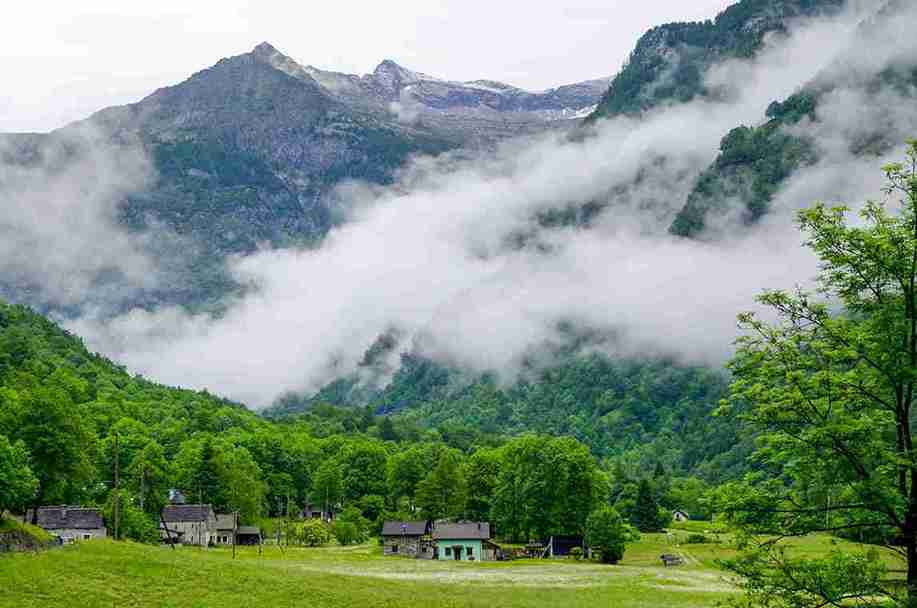
Barot Valley is located in Mandi district of Himachal Pradesh.
It lies inside the Uhl River valley region and connects with nearby mountain areas through forest roads and trekking routes.
Nearby major regions include:
- Joginder Nagar
- Mandi
- Bir Billing
- Rajgundha
- Billing side routes
- Bada Bhangal trekking region
Many travelers combine Barot with other hidden destinations in Himachal.
You can also explore more offbeat villages here: Click Here
Quick Barot Valley overview
| Factor | Information |
|---|---|
| District | Mandi |
| State | Himachal Pradesh |
| Elevation | Around 1800 meters |
| Famous For | Trout fishing, rivers, forests |
| Best Stay | Homestays and small hotels |
| Best Months | March-June, Sept-Nov |
What is the speciality of Barot Valley?
People ask this because Barot doesn’t look dramatic on maps.
But when you arrive, you understand.
Barot Valley is famous for:
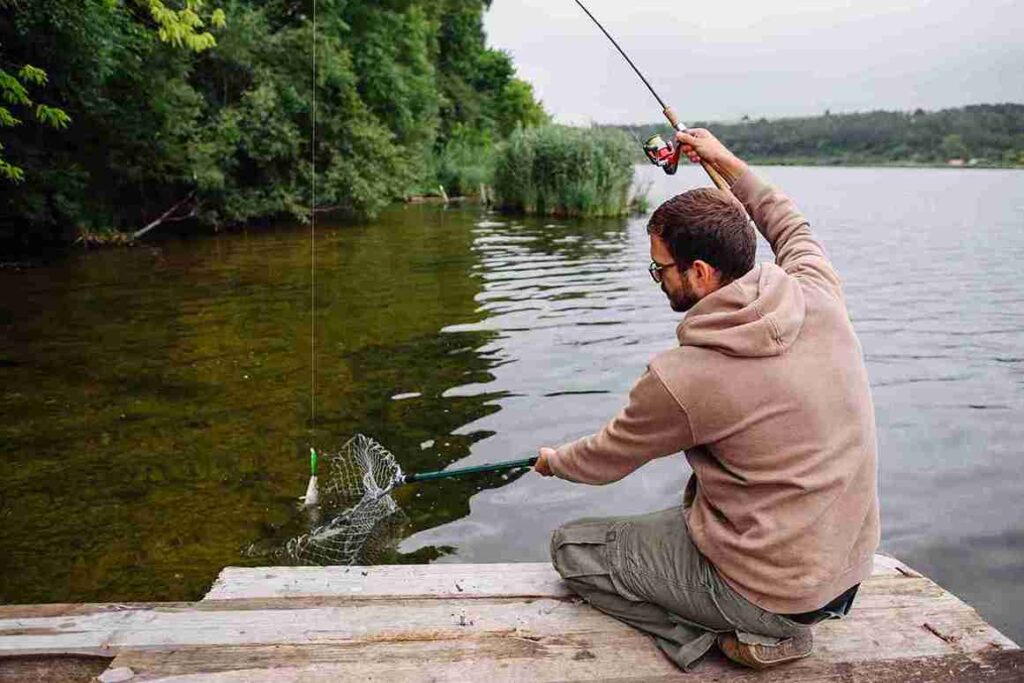
1. Trout fishing
Barot became known because of trout farming and fishing activities.
The river system here supports trout production and attracts anglers.
2. Forest landscapes
Large forest areas surround the valley.
You see:
- Pine forests
- Cedar forests
- Mountain trails
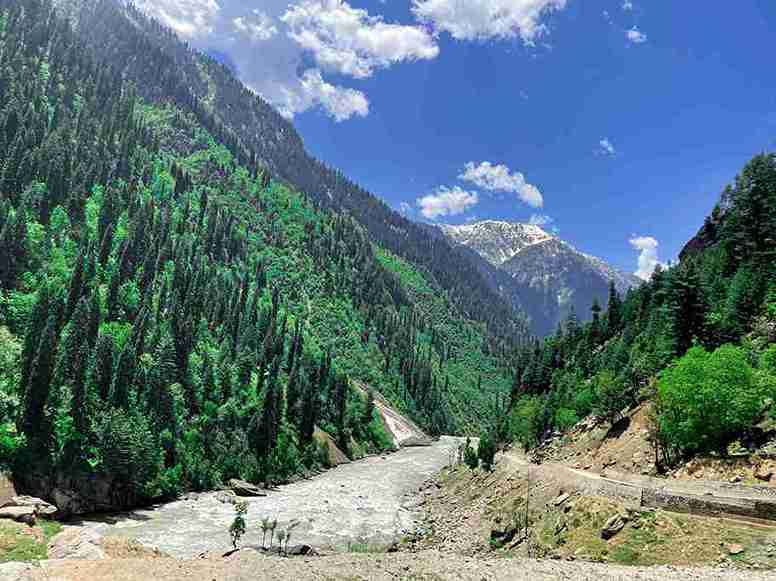
3. River scenery
The river runs through the valley and shapes almost everything around it.
4. Slower tourism
Barot still feels quieter than many famous Himachal destinations.
Barot Valley distance guide
Distance matters.
But mountain distance matters more.
A 50 km stretch can sometimes feel longer than 150 km highways.
Barot Valley distance from Delhi
Approx: 500 to 530 km
Travel time: 10 to 13 hours
Most travelers break journeys overnight.
Barot Valley from Delhi route
Common route: Delhi → Chandigarh → Bilaspur → Mandi → Joginder Nagar → Barot
Travel options
| Mode | Approx Time |
| Car | 10–13 hours |
| Bus + Taxi | 12–15 hours |
| Train + Taxi | 12+ hours |
Barot Valley distance from Shimla
Approx.: 170–190 km
Travel time: 5 to 7 hours.
How far is Barot Valley from Shimla?
Answer: Roughly 170 to 190 km depending on route.
Distance from nearby cities
| City | Approx Distance |
| Chandigarh | 230 km |
| Mandi | 65 km |
| Dharamshala | 140 km |
| Bir Billing | 65 km |
How to go Barot from Delhi?
Most travelers choose road travel.
Option 1: Private car
Most flexible.
You control stops.
Option 2: Volvo + local transport
Delhi → Mandi
Mandi → Joginder Nagar
Joginder Nagar → Barot
Option 3: Train route
Nearest railway side access:
Joginder Nagar line.
Then continue via taxi.
Barot Valley weather and temperature guide
Weather changes quickly in mountains.
Pack accordingly.
Summer (March to June)
Barot Valley temperature
- Day: 15°C to 28°C
- Night: 8°C to 15°C
Best season for most travelers.
Monsoon (July to September)
Temperature: 12°C to 22°C
Expect:
- Rain
- Fog
- Slippery roads
Winter (October to February)
Temperature: 0°C to 12°C
Snow becomes possible.

Barot Valley best time to visit
Depends on what you want.
| Season | Best For |
| March-April | Pleasant weather |
| May-June | Family travel |
| September-November | Photography |
| December-February | Snow |
For most travelers:
April and October work extremely well.
Barot Valley map and navigation tips
Many people search: “Barot Valley map”
Maps work.
But don’t trust them completely.
Keep:
- Offline maps downloaded
- Cash available
- Fuel filled earlier
- Extra time buffer
Official Himachal tourism information:
Barot Valley nearby places
This is where longer trips become better.
| Rajgundha | Mountain villages. Walking routes. Camping. |
| Bir Billing | Known for paragliding. Many travelers combine both. |
| Billing region | Forest roads. Views. Ridge lines. |
| Joginder Nagar | Useful transit town. |
| Uhl River region | Good for photography. |
Things to do in Barot Valley
1. Trout fishing
This is probably the most searched activity.
2. Riverside walking
- Simple.
- Cheap.
- Relaxing.
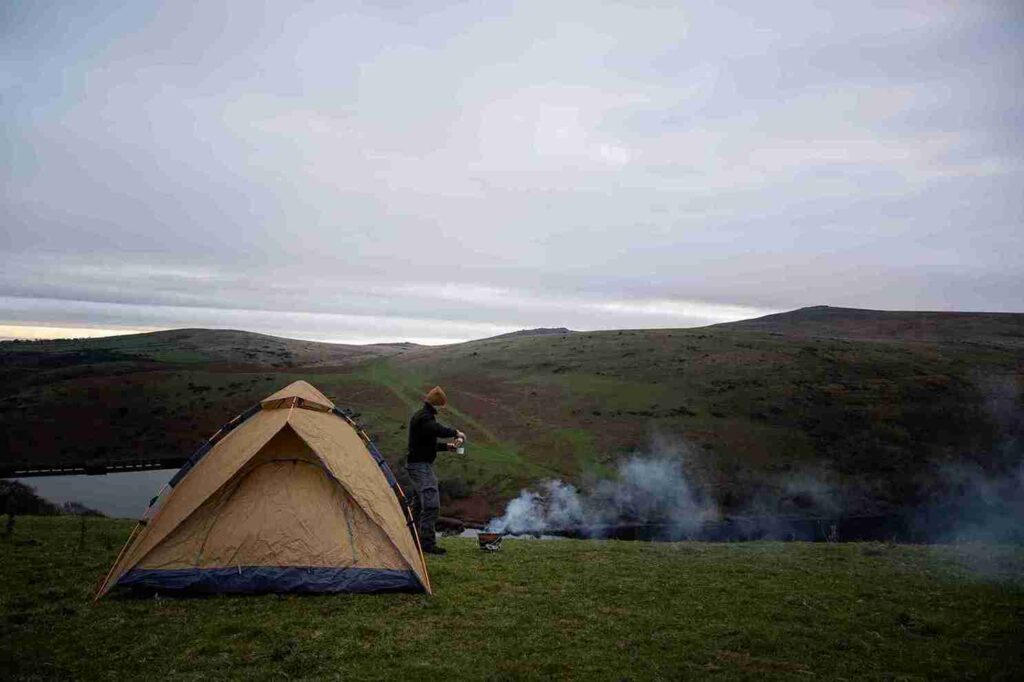
3. Camping
- Many travelers prefer riverside stays.
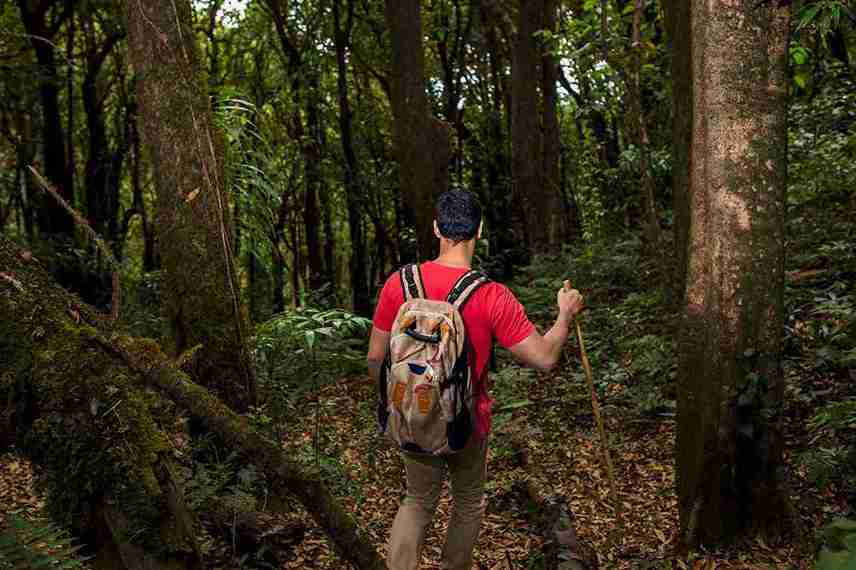
4. Forest walks
- You don’t need complicated trekking plans.
- Simple walks work too.
5. Photography
- Morning light works best.
Barot Valley hotels guide
Most accommodation types:
- Homestays
- Small hotels
- Guest houses
- Camps
1. Budget stays
- ₹800–1500
2. Mid-range
- ₹1500–3500
3. Higher budget
- ₹4000+
Book early during holidays.
Barot Valley trek options
Trekkers often use Barot as an entry point.
Popular directions include:
1. Rajgundha side
- Moderate difficulty.
2. Bada Bhangal routes
- For experienced trekkers.
3. Village routes
Suitable for beginners.
Carry:
- Rain layer
- Water
- Cash
- Offline maps
Food in Barot Valley
Common options:
- Rajma rice
- Maggi
- Dal
- Rotis
- Local vegetables
- Tea stalls
Simple food usually dominates mountain destinations.
Internet and network reality
Network exists.
But:
- Speeds vary
- Some areas lose signal
- Power cuts happen
Carry power banks.
Sample 3-day Barot itinerary
| Day 1 | Reach Barot River walk Explore the village. |
| Day 2 | Forest walk Trout area Photography |
| Day 3 | Nearby village exploration Return |
Hidden realities of traveling to Barot Valley nobody tells first-time visitors
- Barot Valley looks simple on maps.
- The reality feels different once you start traveling.
- Most problems visitors face usually happen because they plan Barot like a normal tourist destination.
Mountain distance behaves differently here
One mistake many first-time visitors make is trusting distance numbers.
A route showing 60 km does not automatically mean 60 minutes.
Reasons include:
- Narrow mountain roads
- Sharp turns
- Slower average speed
- Temporary road work
- Weather changes
| Distance | Expected Reality |
|---|---|
| 20 km | 30 to 45 mins |
| 50 km | 1.5 to 2.5 hrs |
| 100 km | 3 to 5 hrs |
Always build extra buffer time.
Cash still matters more than people expect
Digital payments work.
Until they don’t.
Carry enough cash for:
- Fuel
- Food
- Emergency transport
- Accommodation backup
Recommended emergency cash:
| Travel Style | Suggested Backup Cash |
|---|---|
| Solo Traveler | ₹3000–5000 |
| Couple | ₹5000–8000 |
| Family | ₹10000+ |

Why weekends create a completely different experience
Friday evening changes everything.
Expect:
- Higher accommodation prices
- More traffic
- Parking issues
- Longer restaurant wait times
Weekdays feel considerably quieter.
What happens when travel plans fail
Mountain travel sometimes creates surprises.
Common situations:
- Temporary landslides
- Rain delays
- Road repairs
- Vehicle issues
Useful backup strategy:
Keep one flexible day in your itinerary.
That single decision reduces most travel stress.
Barot Valley myths vs reality
Travel destinations slowly build myths.
Barot Valley has plenty.
| Myth | Reality |
|---|---|
| Barot Valley is completely untouched | Tourism has increased significantly |
| You need expensive stays | Budget travel works comfortably |
| Snow appears every winter | Snow depends heavily on weather patterns |
| Mobile networks completely fail | Some locations work surprisingly well |
| 2 days works for everyone | Travel style changes ideal duration |
Instagram creates unrealistic expectations
Many photos show:
- Drone angles
- Edited colors
- Empty viewpoints
Reality:
You’ll still see tourists.
You’ll still see vehicles.
You’ll still see weather changes.
That doesn’t make the place worse.
It makes expectations realistic.
Monsoon photos can mislead travelers
Those bright green pictures often come with:
- Road issues
- Heavy rain
- Fog
- Delays
Greenest season does not automatically mean the easiest season.
How Barot Valley changes month by month
Most weather guides stop at seasons.
Months matter more.
| Month | Ground Reality | Best For |
|---|---|---|
| January | Cold, fewer visitors | Snow lovers |
| February | Cold mornings continue | Quiet travel |
| March | Pleasant weather begins | Families |
| April | Comfortable temperatures | Most travelers |
| May | Higher tourist activity | Summer vacations |
| June | Warm afternoons | General tourism |
| July | Heavy greenery, rain risk | Photography |
| August | Unpredictable weather | Flexible travelers |
| September | Stable weather returns | Trekkers |
| October | Excellent conditions | Nearly everyone |
| November | Cold nights begin | Peaceful travel |
| December | Winter atmosphere | Snow seekers |
Apple season changes the atmosphere
During apple periods you may notice:
- More transportation movement
- Temporary workers
- Increased local activity
- Different village rhythms
The valley feels different depending on when you visit.
Barot Valley decision framework: who should actually visit?
Many travelers ask:
“Is Barot worth visiting?”
The better question:
“Is Barot worth visiting for YOU?”
| Traveler Type | Good Fit? | Why |
|---|---|---|
| Quiet travelers | Yes | Peaceful environment |
| Families | Usually | Relaxed atmosphere |
| Party travelers | Probably not | Limited nightlife |
| Remote workers | Depends | Network limitations |
| Elderly travelers | Depends | Mountain roads matter |
Traveling with elderly parents
Think about:
- Long driving hours
- Walking distances
- Cold temperatures
- Medical access
Traveling with children
Barot usually works well because:
- Open spaces
- River areas
- Less traffic
- Slower pace
Working remotely from Barot
Possible.
But understand:
- Internet speeds vary
- Electricity interruptions happen
- Backup networks help
Remote work travelers should always carry power banks.
Using Barot Valley as a basecamp instead of a destination
Many experienced mountain travelers use Barot differently.
Instead of treating Barot as the destination.
They treat it as the starting point.
When this approach works better
You should consider this if:
- You dislike changing hotels daily
- You want slower travel
- You enjoy exploring surrounding areas
Example 3-day cluster itinerary
| Day | Plan |
|---|---|
| Day 1 | Explore Barot |
| Day 2 | Rajgundha side exploration |
| Day 3 | Billing or nearby villages |
Example 5-day cluster itinerary
| Day | Plan |
|---|---|
| Day 1 | Arrival |
| Day 2 | Local exploration |
| Day 3 | Trek routes |
| Day 4 | Nearby villages |
| Day 5 | Return |
Logistics most people forget
Before using Barot as basecamp:
- Fill fuel earlier
- Carry cash
- Download maps
- Check weather forecasts
- Confirm accommodation availability
Group travel becomes harder than people expect
Common problems:
- Different fitness levels
- Vehicle limitations
- Schedule conflicts
- Weather disruptions
Smaller groups usually move faster.
Sometimes slower travel creates better trips.
Barot works particularly well for travelers who are comfortable slowing down.
Common mistakes travelers make
1. Reaching after dark
- Mountain roads become slower.
2. Carrying only UPI
- Always carry cash.
3. Underestimating weather
- Cold nights surprise people.
4. Packing lightly in winter
- Bad idea.
Is Barot Valley worth visiting?
If you want:
- Quiet places
- River views
- Forests
- Slow travel
Yes.
If you want:
- Nightlife
- Shopping streets
- Crowds
Probably not.
FAQs
What is the Speciality of Barot Valley?
Barot Valley is known for trout fishing, forests, river scenery and quieter mountain tourism.
Where is Barot Valley situated?
Barot Valley is situated in Mandi district of Himachal Pradesh.
How to go Barot from Delhi?
Travel via road through Chandigarh and Mandi, or combine train and taxi routes.
How far is Barot Valley from Shimla?
Approximately 170 to 190 km.
1 thought on “Barot Valley: Himachal’s mountain valley that still feels slow in a fast world”